In today’s fast-paced, technology-driven world, the concept of omnichannel fashion retail marketing is revolutionising how we shop and interact with brands. This blog post delves into the insightful lecture by Professor Anthony Kent exploring the dynamic integration of technology in stores and its impact on consumer behavior.
The Evolution of Stores in a Digital Age: Stores are no longer just physical spaces for transactions; they are becoming immersive, experiential environments. This evolution is driven by the ubiquity of smartphones and the integration of innovative technologies in-store, paving the way for a more omnichannel approach. However, this shift brings its challenges. Fashion retailers must creatively leverage their physical stores to complement their online presence, or risk obsolescence in the face of growing online channels.
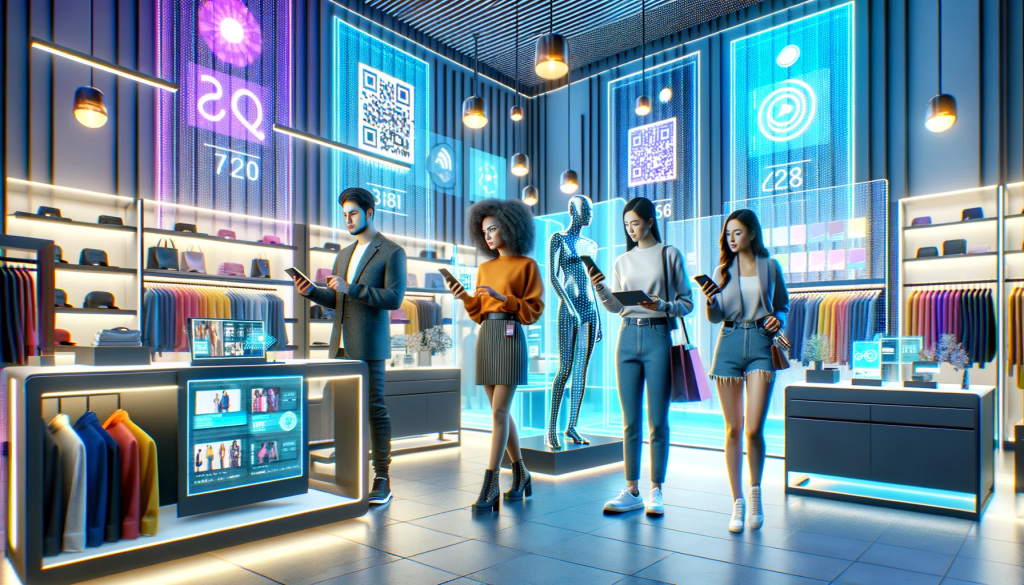
Consumer Journeys: From Digital to Physical: Contemporary shoppers navigate complex paths, seamlessly moving between online and offline touchpoints. The literature reveals a significant trend of consumers engaging in omnichannel shopping journeys. In response, technologies in stores have evolved to facilitate this blend of digital and physical experiences.
Key Technological Trends (2014-2019):
- Video Screens and Interactive Technologies: A significant increase in video screens, but interactive screens have seen limited adoption.
- Virtual Mirrors and Apps: Virtual/magic mirrors have remained niche, while apps facilitating ordering and delivery have become more prevalent.
- QR Codes and Customisation: The recent emergence of QR codes and a moderate growth in personalization technologies, especially in sports and luxury retail sectors.
Smartphones: The New Retail Epicenter: Smartphones have become central to in-store interactions, shifting the ownership of interaction from retailer-provided devices to consumer-owned ones. This shift raises questions about control over these interactions and the effectiveness of in-store technologies.
Challenges in Integration and Technology Adoption: Integrating systems across various channels remains a daunting challenge. The adoption of emerging technologies like VR/AR has been slower than anticipated, with issues in reliability and complexity.
The Future of Retail Technologies: There are immense opportunities to use technology to enhance convenience, product availability, and in-store experiences. Retailers are exploring ways to make use of personal devices for a more seamless omnichannel experience. However, the actual adoption of sophisticated technologies like AR and AI is still in its nascent stages.
Strategies for Future Development: Adopting theories, models, and frameworks like the Technology Acceptance Model (TAM) can guide retailers in understanding and implementing effective omnichannel strategies. Retailers must focus on strategies that are not only technologically advanced but also user-friendly and relevant to consumer needs.
Conclusion: As we look towards the future, the landscape of fashion retail marketing is set to evolve continually. Identifying trends and areas for future research, such as the practical application of emerging technologies and the evolving role of physical stores, is crucial for staying ahead in this dynamic industry.
Have you experienced the shift towards omnichannel shopping in fashion retail? How do you see technologies like AR and AI transforming your shopping experiences? Share your thoughts and experiences in the comments below.
 The Fashion Scholar